

Decoding brand love
You’ve just opened an email about brand love. If you're curious what makes people obsess over certain brands and how to build that kind of love for your own, you're in the right place.

Welcome back to OFF Brand — a newsletter by Koto, a team of brand specialists and optimists made up of designers, strategists, writers and art directors based in five major cities around the world.
In this series, we lift the lid on all things brand—from the intricacies of naming and nomenclature to the nuances of identity and UI, from pantones to pixels, and from strategy to guidelines. In this installation, we’re diving deep into the intricate psychological impacts of branding, specifically focusing on the most powerful, yet often misunderstood, force in brand-building: Brand Love.
Our objective is to be your trusted voice on all things brand. To earn that trust, we draw not only on our own experiences, but also on insights from our peers, clients, and leading experts in the field. You can expect practical tips, actionable insights, useful frameworks, and inspirational examples in every edition.
We've already brought together 11.6K of brand enthusiasts like you, and 765 of new readers have signed up since our last issue, thank you for your trust! If someone shared this with you, consider joining our growing community by hitting subscribe to ensure you never miss our latest editions in your inbox.
Now, onto today's topic: Brand Love.
What you’ll learn about brand love
— What it is: why brand love goes beyond loyalty and turns customers into passionate fans
— Why it matters: the emotional and financial impact for both customers and brands
— What it’s made of: the core themes behind the most loved brands
— How to build it: strategic ways to create lasting emotional connection
— How to keep it: a framework for turning behavioral loyalty into real emotional bond
What is brand love?
In life, love is an emotionally charged, difficult to explain, viscerally felt thing. A journey, a bond, a complex experience. In the brand world, it's whispered about in boardrooms, coveted by marketers, and felt viscerally by consumers, yet brand love remains one of the most elusive and powerful forces in the brand-building arsenal. Most measure it in Net Promoter Score (NPS) or Lifetime Value (LTV) scores, and while that may capture part of the story, true brand love runs far deeper than satisfaction or loyalty.
It's the kind of emotional allegiance that turns customers into evangelists and products into cultural icons. It's a potent piece of the puzzle, and understanding its ingredients is key to building brands that not only succeed but endure over the long term in this noisy world of ours.
To dig a touch deeper, you could argue that customers are transactional. They leave when something cheaper or more convenient comes along. A true fan, however, sticks around for the bad album, the star player trade, and the questionable rebrand. They don't just buy the product; they wear the jersey, defend it in arguments, and weave it into their identity. Fans are ride or die, willing to choose the brand no matter the alternative.
You see, to us, brand love is equivalent to the passion one might feel for their favorite band, home team, or even an extension of their own identity. It transcends transactions. It's built on a consistent narrative resonance where the brand's story, values, and cultural signals align deeply with the consumer's own aspirations, beliefs, and stories that shape their understanding of the world.
Before we dug too deeply into this theory, we ran it by some of our friends and (Koto) family—clients and industry leaders—for their thoughts on how they think about brand love:
"The first way I look at it is what it's not and that's trend. Superficial brand love. I need to belong and therefore I need to like this to fit it to be accepted to be part of something. It's like seeing CharliXCX and adopting green. That loyalty you thought you had will shift because our viewpoints shift. That is not brand love. However, some companies think that's what to do." — Natalie Beaconsfeld, Global Head of Brand and Content, Google Gemini App, prev. Disney
"It's when people want to not just buy from your brand, but participate in it. There is something to how a consumer takes your story/value/mission, shapes it, and then carries it forward." — Caitlin Choate, part of the founding team at TOMS
"A brand is no longer what we tell the consumer it is—it is what consumers tell each other it is." — Scott Cook, Intuit co-founder
"Unlike simple brand liking or loyalty, brand love entails a multidimensional bond, combining emotional intimacy, enthusiasm, and personal meaning. It's not just what the brand does—it's what it stands for and how it becomes 'mine.'" — Susan Fournier, Boston University Professor and Dean
With some backing, overlapping thoughts, and chats loaded with smiles, we knew we were onto something. We all strive to elicit this level of love, but we all agreed, it’s hard to achieve. Like our clients, at Koto we've grown allergic to frustratingly vague answers, so we decided to build a practical blueprint. Sometimes it can be a slow burn, but the benefits that brand love brings far outweigh any run-of-the-mill loyalty program. The kind of irrational devotion the Chicago Cubs inspire in a losing season, or the reason a Porsche 911 feels like a family heirloom. To light this fire, marketers need to find answers to a series of questions—some big, others small.
How do you actually create it? What makes up the equation? Is it possible to repeat? How can we ensure it feels authentic? What can brands do to ignite such passionate following? Perhaps it's best to start with understanding the people: the difference between a customer and a true fan.
As you’ll see, we sought to explore brands that mean something to us. But in order to look at brand love practically, we needed to reference brands that have been around long enough to prove that love with data. So, we studied the icons that have lasted for generations—from Star Wars to Hello Kitty to Patagonia—to decode how they turn buyers into believers. The metric of time we chose was a generation—a brand that has been around for at least 20-30 years and moved beyond the cultural moment of one generation to the next. (So, no, you won't see Glossier or Liquid Death here).
When a brand achieves fandom, it's no longer just selling a product or service; it's co-creating meaning and belonging. It's the sacred space where a brand's 'why' meets a consumer's 'who I am' or 'who I want to be.' It’s earned, not bought. But like any longstanding brand of substance, beloved brands must build their stance and status hand-in-hand with product. Without the follow through of solid experiences, it’s impossible to build long-term relationships. If we tried, we’d only build the equivalent of a one-night-stand. So, let’s start with the practical bits.
Brand love starts with product love
We often inherit the challenge of building love for a brand that's still earning love for its product. The truth is: brand can only amplify what the product already delivers. If there's no user pull, no repeat behavior or customer belief, there's no foundation for the brand to scale.
This is where marketing plays a critical strategic role. It's not just about creative assets or campaigns, it's about ensuring every touchpoint reinforces the product's core value. From onboarding to retention, product to packaging, love is built in the details, not just the message.
By identifying where brand can reduce friction, signal quality, and deepen emotional connection, you move from utility to loyalty, from satisfaction to anticipation.
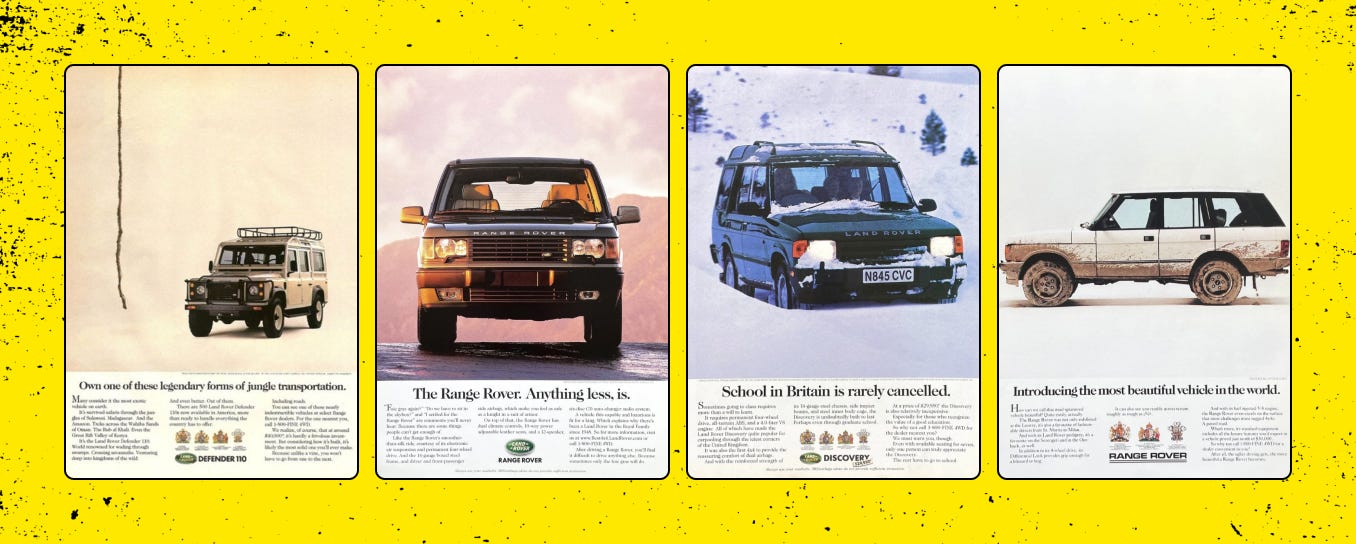
Take Land Rover. The brand didn't need to invent adventure, it just needed to give it a shape. The product itself was already iconic: a rugged, capable off-roader built for utility and endurance, trusted in terrains from the Scottish Highlands to the Sahara. But what made Land Rover beloved wasn't just what it could do, it was what it stood for. The brand amplified its product truth by wrapping it in a lifestyle of exploration, self-reliance, and quiet confidence. It invited drivers not just to go off-road, but off-map and to be part of a legacy of expedition. Through consistent storytelling and minimal but muscular design, Land Rover transformed reliability into romance.

Product comes first. From that, a story can form, one that emphasizes truths of the brand, and pushes perceptions even further to fuel fans who already enjoy it deeply, and find those who’re new to the family.
Community is more than something you build, it's something you are
Beloved brands spark movements. They shift culture. To do that, they need to pull people together like a magnetic force. One so strong that fans weave the brand’s story into their lives. One so sharable that fans can’t help but engage with other fans. These stories only reach movement status if they’re able to form and support a community of likeminds.
If you're reading this and want to know how to start a brand that people truly love, then this is especially important. Brand love is not measured in likes. Instead, it's measured in awareness, branded search, acquisition costs, client retention. All stemming from a deeply rooted alignment in values. Take note, while it’s natural to aim for the moon, amassing gigantic followings and sparking global, viral movements, it may not be the only way. There might be an easier onramp to success.
In 2008, Kevin Kelly put forward an interesting truth: creators don't need millions of fans or customers to make a living. Instead, they need approximately 1,000 “true fans.” We believe this is the momentum-building path to success for brands as well.
In the essay, he argues that a true fan is someone who will buy anything you produce, regardless of what it is. They are deeply committed supporters who will go to great lengths to engage with and support your work. They’ll travel long distances for an event or purchase multiple formats of your product. The challenge, of course, is that “you have to maintain direct contact with your 1,000 True Fans.”
How do you inspire and remain connected to these passionate fans? Let’s turn to a childhood love of ours for answers: music. The reason someone is a fan of a band their entire life isn't just because they like the way the music sounds, but likely because it unlocked something for them. A new feeling, a worldview, a culture, or community: the kind you move in lockstep with.
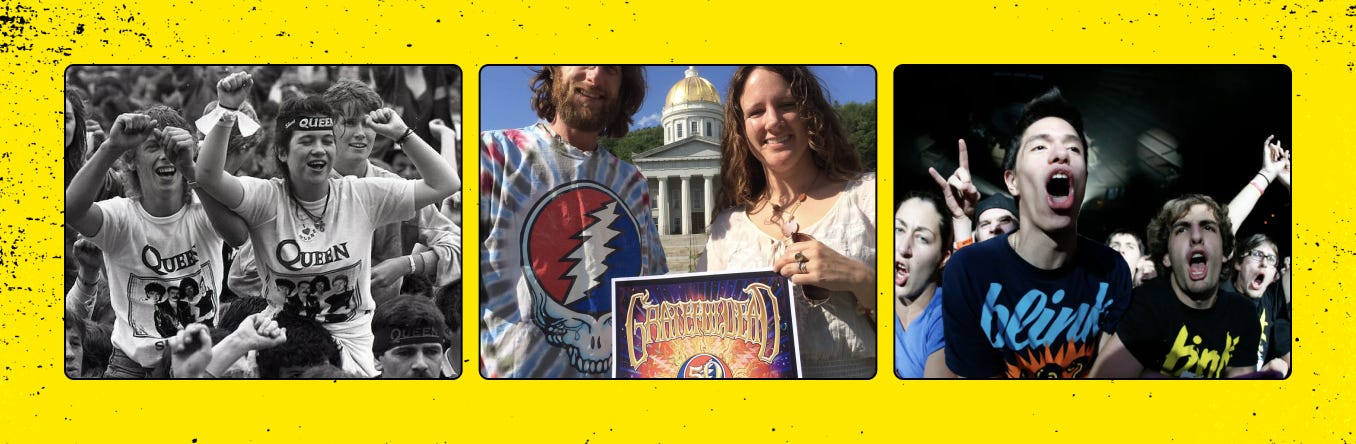
Blink 182. The Grateful Dead. Queen. These bands never asked for community. They were community. They gave people permission to be immature, anxious, creative, lost, free. They fostered cultures around their music, how to dress, talk, and act. They made it fun to be exactly who you were, together. They put forward a stance, a positioning, a story that millions could buy into. Literally.
Like these bands, brands can harness the power of collective experience much the same way—to create stronger followings, and shape the way people relate to their offering by treating customers more like fans than a mere consumer.
To continue, music carries a unique communal quality. Both direct and atmospheric, it's a medium that allows for focused engagement as much as it serves as the backdrop for group hangs. But what about other more brand-like brands? Content brands, international brands, B2B brands, childhood brands, athletic brands? How do they get on?
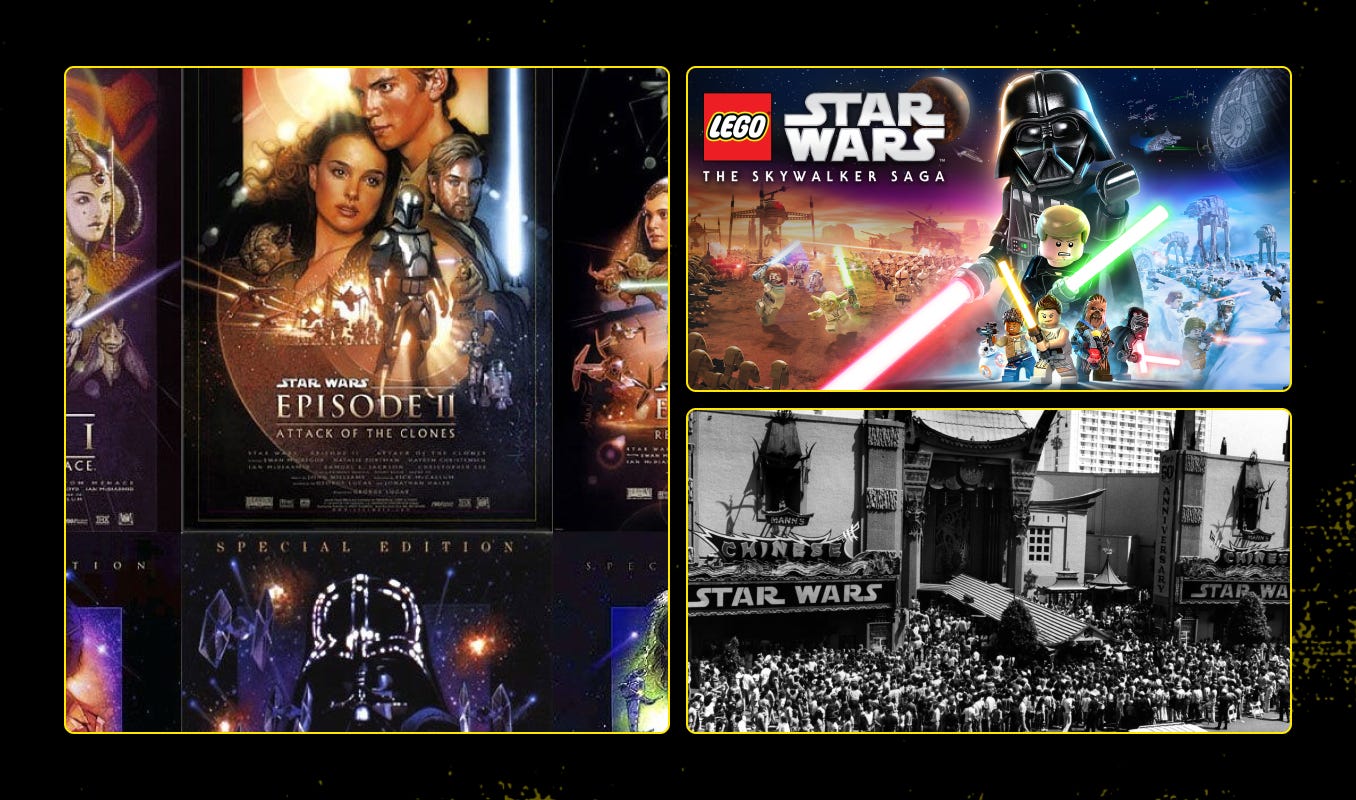
The enduring, multi-generational universe of Star Wars thrives because its fandom actively participates in expanding its vast mythology through conventions, intricate cosplay, fan-generated content, and vigorous online debates, offering a deeply immersive escape and a shared cultural language.
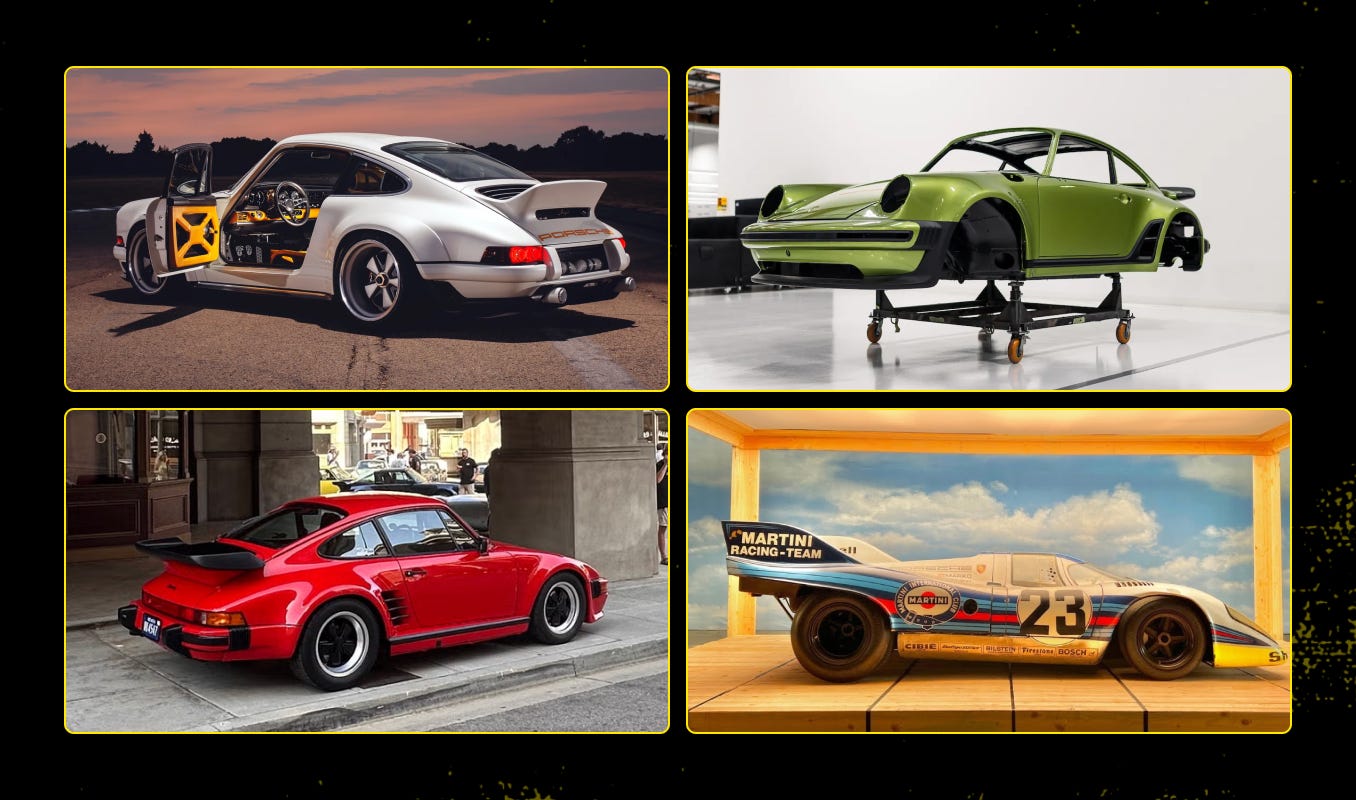
Porsche builds some of the stickiest communal bonds through a singular design language that has reverberated for decades. It's not uncommon to see three generations gathered around an old 911 at a Porsche Owners Club event or a Porsche Club of America showcase. Enthusiasm really kicks into gear at homegrown events, like Luftgekuhlt, and even extends to like-minded fashion brands like Aimé Léon Doré, and high-profile artists like Daniel Arsham. Taken even further are aftermarket spinoffs like Singer, Gunther Werks, and RUF—all who take the luxury and performance of the OEM vehicles to entirely new, extraordinarily sophisticated levels. Rather than squash the excitement in favor of rigid standards, Porsche celebrates the culture surrounding the brand through the Porsche Experience Center, serving the fodder for local cars and coffee gatherings, or simply enabling creative engineers to expand upon the storied product.
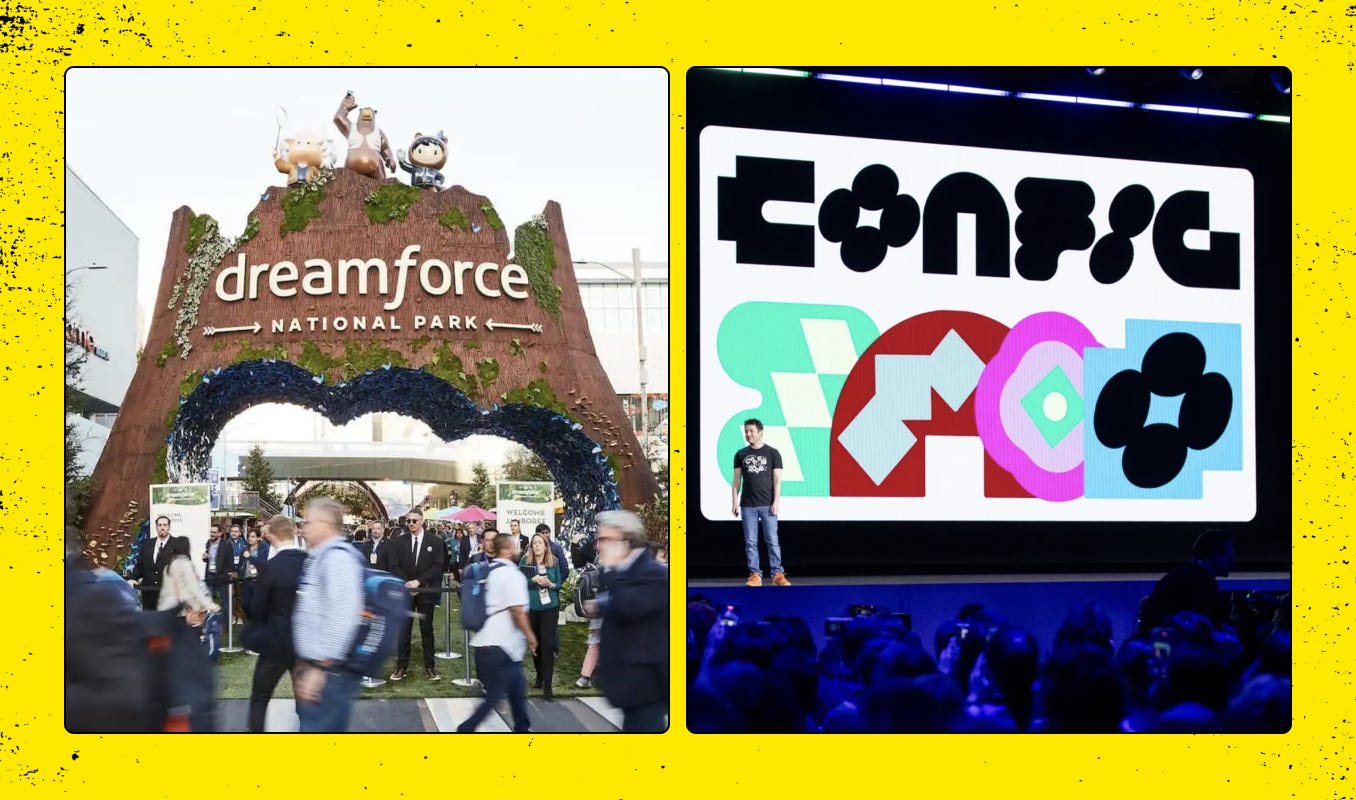
Salesforce masterfully converts its B2B ecosystem into a fervent community with its annual Dreamforce spectacle, cultivating "Trailblazers" who find not just professional development and networking, but a shared identity and collective enthusiasm for innovation that borders on a professional crusade. Figma does the same, drawing creatives from around the world to their annual (and viral) Config event.
Pokémon, with its simple yet compelling mantra of "Gotta Catch 'Em All," has ignited a worldwide phenomenon built on collecting, trading, battling, and shared discovery, fostering a global community where live events like Pokémon GO Fest become massive gatherings, reinforcing bonds forged in both childhood nostalgia and ongoing engagement.
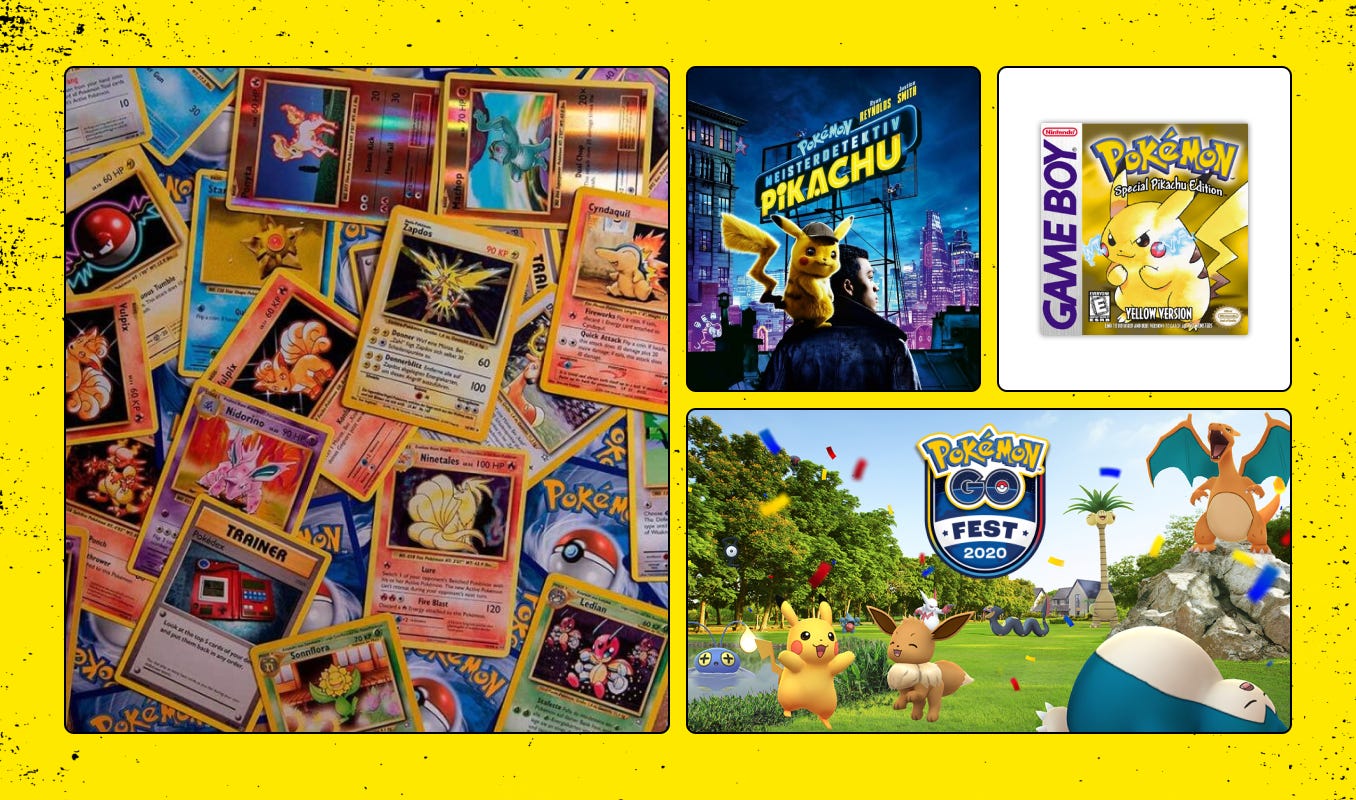
What these radically different brand experiences suggest is that community, and the brand love that fuels it, is not limited to the arts or less brand-like entities. It's possible to spark movements and build collective enthusiasm with staying power that carries decades, not days. Which begs the question: what about newer brands? All the above have been around for quite some time.
Well, what about Airbnb? Or Rapha? These sensations have burst onto the scene with mind-bending success. At the crux of each is a deep belief in the power of community, a level of togetherness that breeds brand love as much as it does shared joy and collective behavior. To inspire passionate community calls for brave actions and stances; different approaches and stories that feel fresh, offering a vision that others are eager to follow. It’s hard work, but confident leadership is necessary to elicit brand love.
Brave leadership begets brand love
Brave leadership creates the cultural conditions for brand love to take root. It sets the tone at the top—clarity of mission, courage in decision-making, and consistency of values that echo from all-hands meetings to the homepage. When leadership is clear on the "why," brand teams aren't just reacting to business goals—they're rallying around a shared purpose. That's when marketing starts to feel less like messaging, and more like a movement.
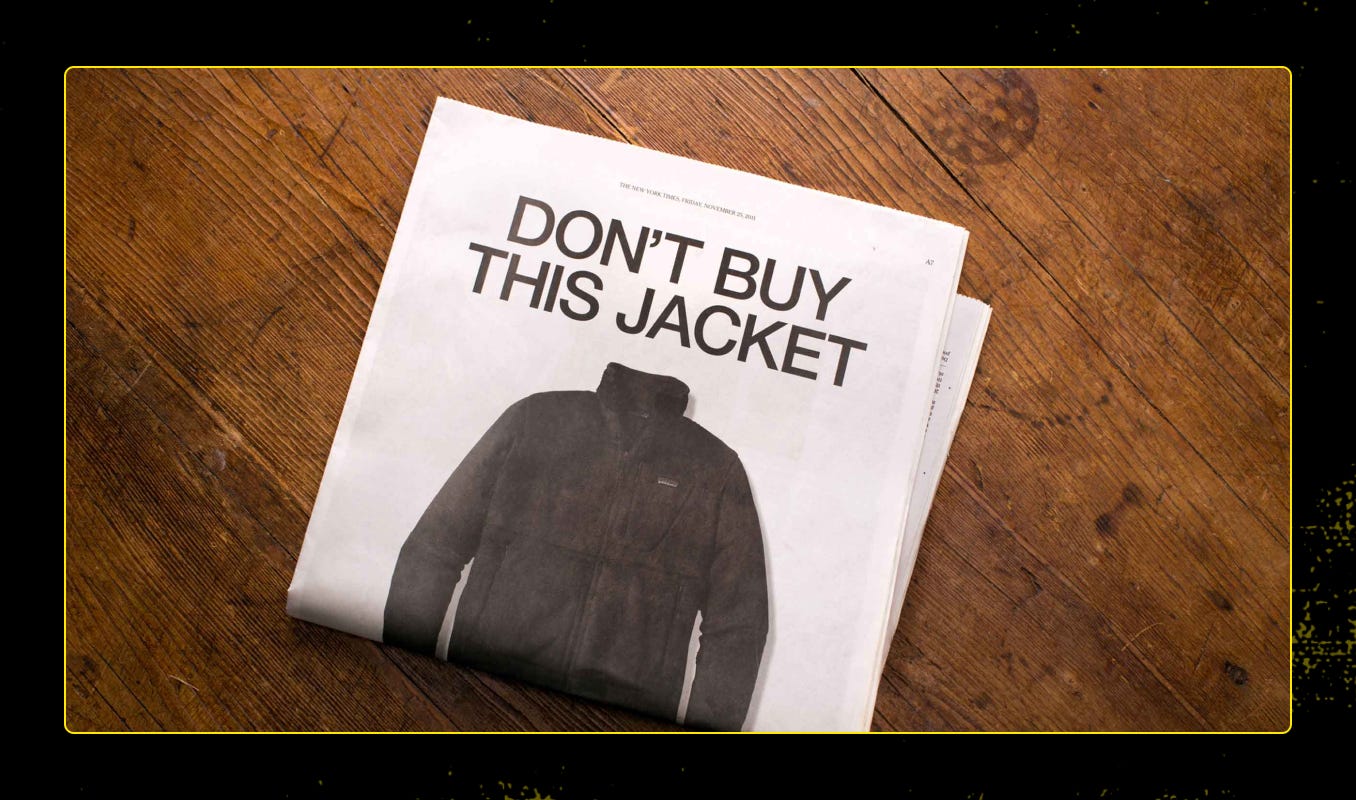
Look at Patagonia. The product is excellent, yes. Brand love is clearly present. That love radiates outward from leadership that has always put values ahead of profit. From Yvon Chouinard's refusal to follow industry trends to the company's now-famous "Don't Buy This Jacket" campaign, every bold brand moment stems from equally bold leadership decisions. The brand earns trust because the business acts with conviction.
When considering Patagonia, it’s hard not to call to mind their primary competitor, The North Face. There’s no doubt The North Face has been very successful as a brand, but does it elicit the same brand love? Do audiences hold the same clarity of story in their mind when recalling the brand? To take this to the nth degree, contrast the success of Patagonia with brands where vision is absent or diluted ; where leadership wavers, values shift with the quarter, and decisions are made by committee. In those companies, brand becomes reactive. Muddled. Sometimes even apologetic. And when that happens, no amount of creative can manufacture the trust and loyalty that should come from within.
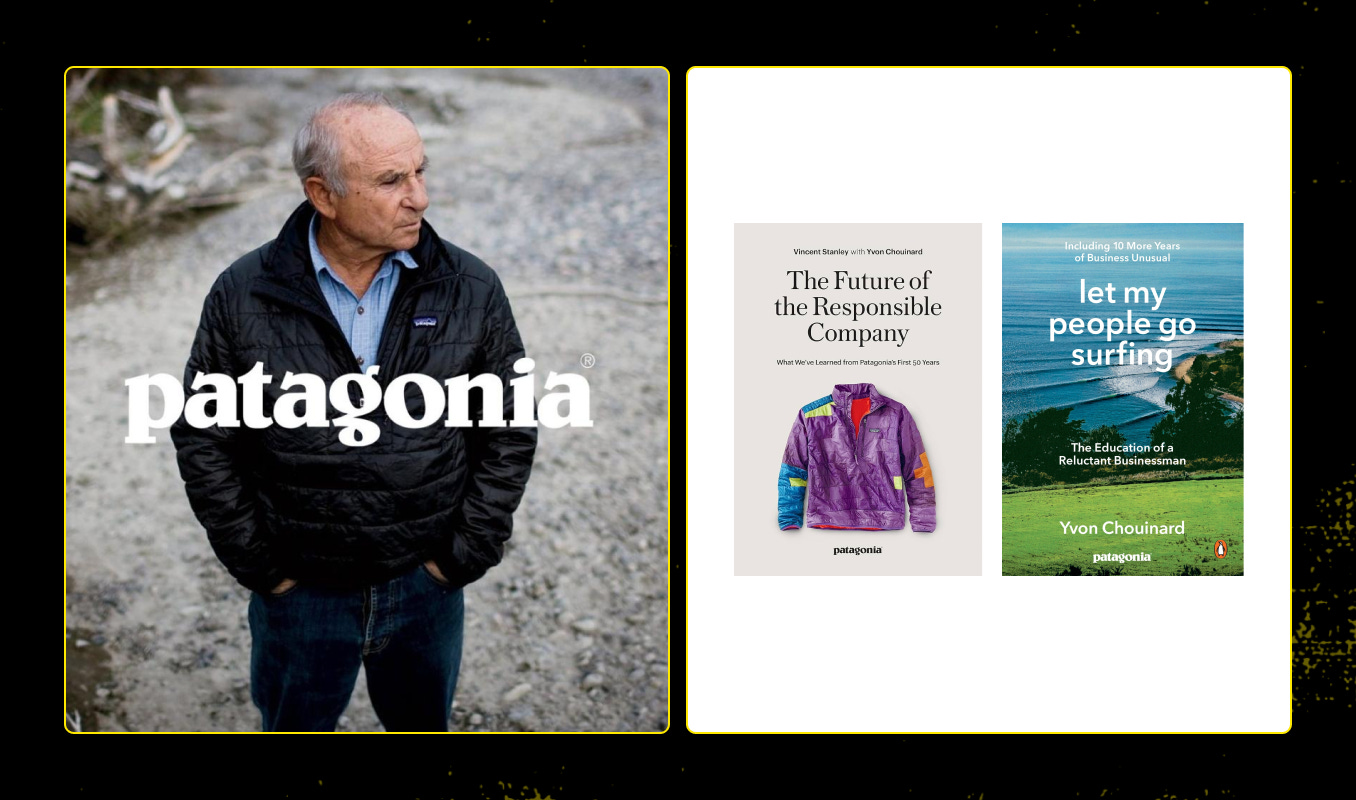
"Our philosophies aren't rules; they're guidelines. They're the keystone of our approach to any project, and although they are 'set in stone,' their applications to a situation isn't. In every long-lasting business, the methods of conducting business may constantly change, but the values, the culture and the philosophies remain constant." — Yvon Chouinard, Let My People Go Surfing
Brave leadership doesn't mean being loud. It means being clear. It means being decisive. It means standing for something long enough for others to stand with you. You can't build a brand people love without leaders who believe. Passionate commitment is often in proportion to the strength of the vision and ideas contained within the organization's theology. In truth, passion isn't a marketing strategy: it's a leadership imperative. But customers will never love a company until the employees love it first.
The pillars of brand love
Leadership, product, community, these three factors set the foundation for brand love to form and flourish. Without getting too meta, we find it helpful to build from these pillars, and thus, a tool to help us—and you—remember the core tenets:
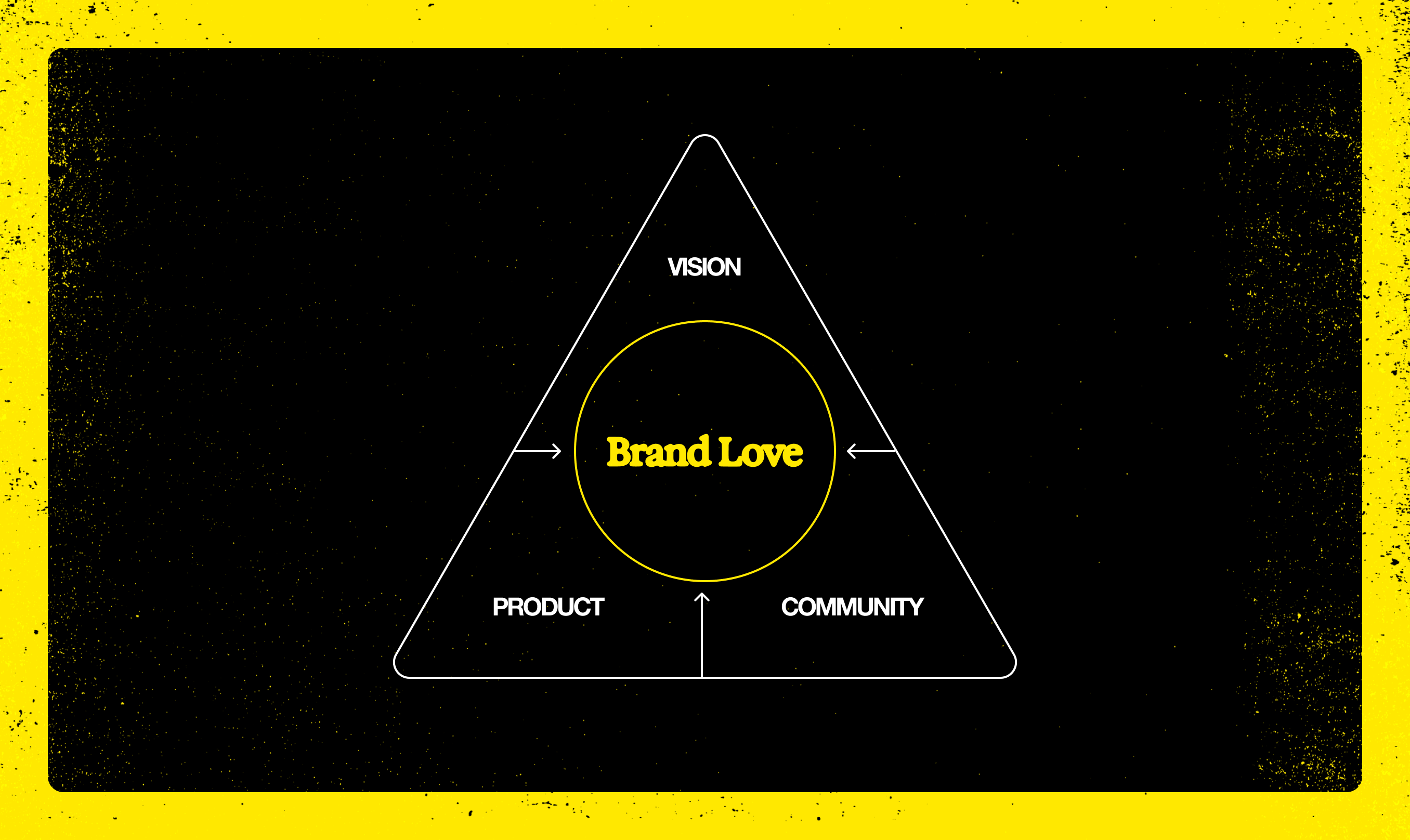
Here's Koto friend and collaborator Natalie Beaconsfeld from Google on a few conceptual tenets for what she thinks defines brand love:
Evokes a nostalgia: Not aesthetically, but strategically. Offers a deep rooted emotion that gives you a sense of who you are as a person, and what your belief systems are.
Trusted beyond quality: But making a promise with your consumer that you always deliver.
Makes you feel before you think: We are feeling machines that think, not thinking machines that feel. It's why we have things like addiction, and the credit crisis. It's an involuntary part of our brains. Companies are so worried about the A+B=C of marketing, and forget that they are speaking to humans who feel first.
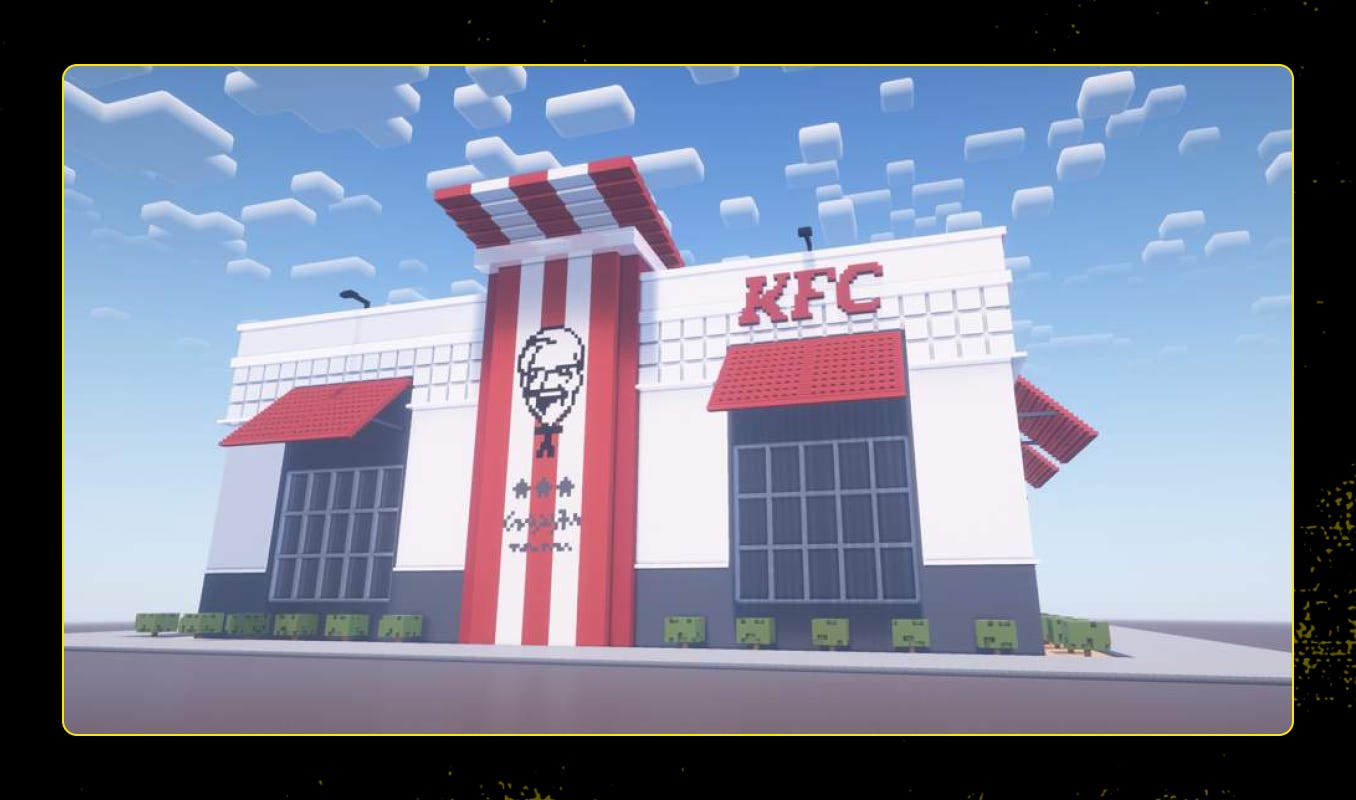
Boldly self-aware: Like how KFC focused on fried chicken through the salad-craze of the 90's, and followed their audience as they branch out to other interests—80% of their customers are gamers.
Up till now, we’ve pointed to some rather successful brands that have built extensible love through product, vision, and community. Let’s now turn to some deeper dives and explore the various different types of brand love we can elicit through three very different analogs: The Chicago Cubs, Hello Kitty, and Burton.
Where to look for brand love
1. Looking for love in the irrational: The Chicago Cubs
What’s more difficult to imagine than a sports team with a hundred year drought raking in billions? For some teams it makes sense: winners like Real Madrid, the Yankees, the LA Lakers. But then there are teams like "The Lovable Losers," better known as the Chicago Cubs: an organization that won the World Series about ten years ago, but before that, not since 1908. And still. Wrigley Field fills seats, jerseys sell at a premium, fans flock both to Chicago and around the world to watch their beloved losers.
Why? Why would a city rally behind a tradition of mediocrity? The answer is in the brand.
The Cubs are one of the most approachable brands in the world. Cubs fans aren't so much worried about the scoreline as much as they're happy to be part of the story. Yes, winning is nice, but unlike the Chicago Bulls or Bears, this franchise built its identity on something deeper. They don't rely on the success of their product, but rather the benefit of being part of the community.
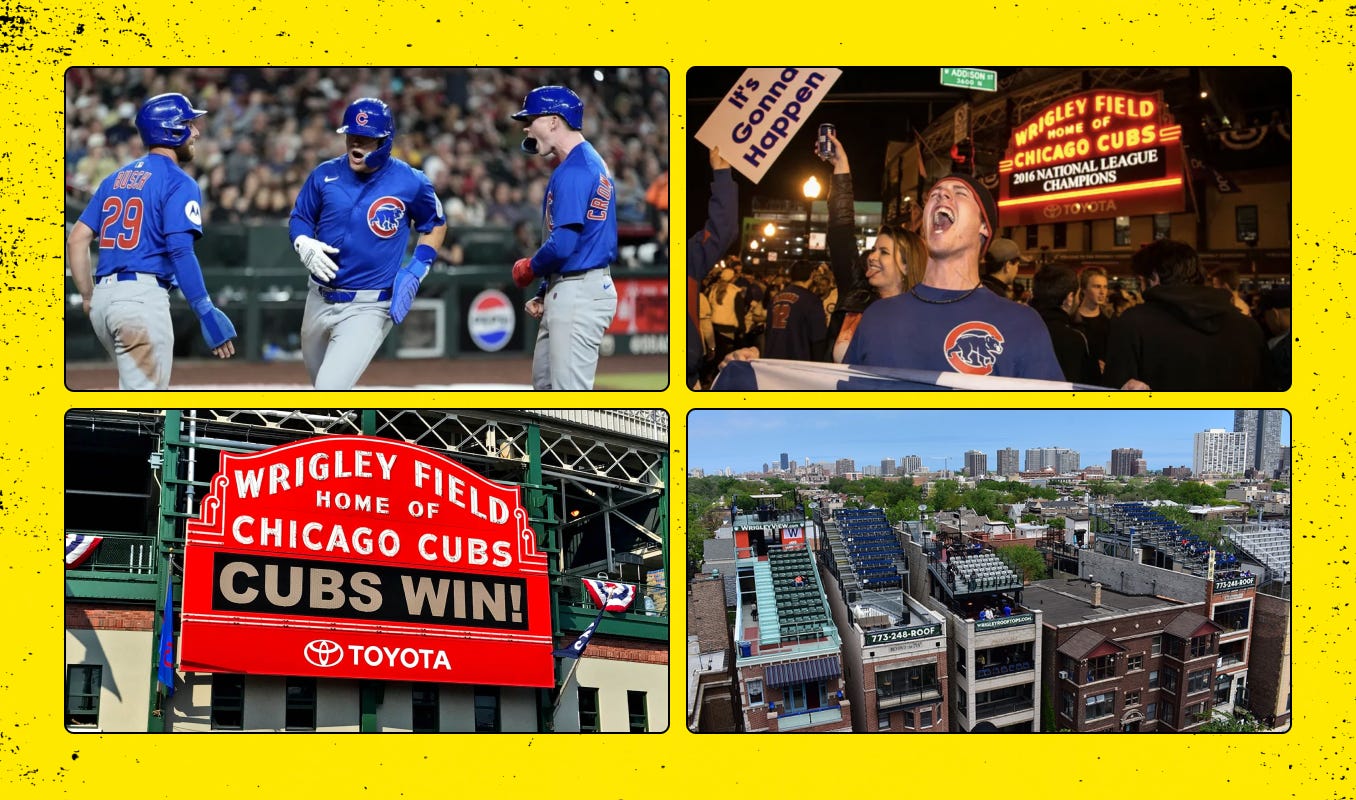
The experience the brand creates at the stadium is warm. It's filled with enough tradition to keep fans happy despite falling ceiling plaster at "The Friendly Confines." The approachable identity system, supported by America's Pastime, makes a trip to a Cubs game the easiest way for parents to spend a Saturday with their kids. This is a brand-built community, one that influences an entire neighborhood, aptly named Wrigleyville. One where the team's faithful gather together—rain or shine, day or night, win or (more often) lose—simply to be together in a space they love, with a community they love, all in the name of a brand they love.
Of course, this comes with benefits for the organization. This irrational level of brand love fuels steady ticket sales. It offers the Cubs competitive advantage, retention, and loyalty over the South Side's White Sox. The ambassadorship of its fans, who travel both regionally and across the country sporting the baby bear logo, is one of the more impressive UGC marketing forces.
Consider this: The Cubs' 2025 team value is projected at $4.6 billion, making them the fourth most valuable in the league, trailing only the far more winning Yankees, Dodgers, and Red Sox, and ahead of other storied franchises like the Giants, Mets, and Phillies. The average team is appraised at $2.62 billion, showcasing the Cubs' significant lead.
Looking for love across cultures: Hello Kitty
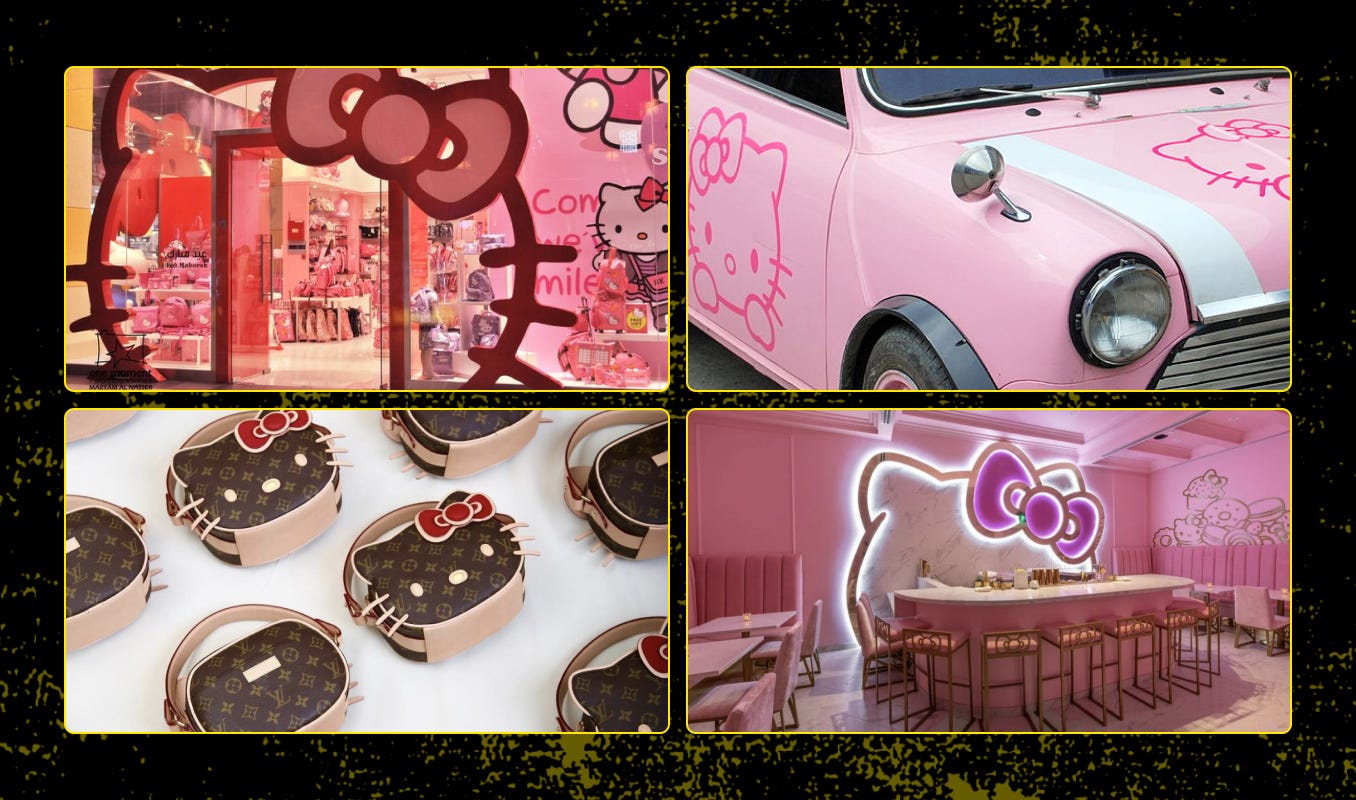
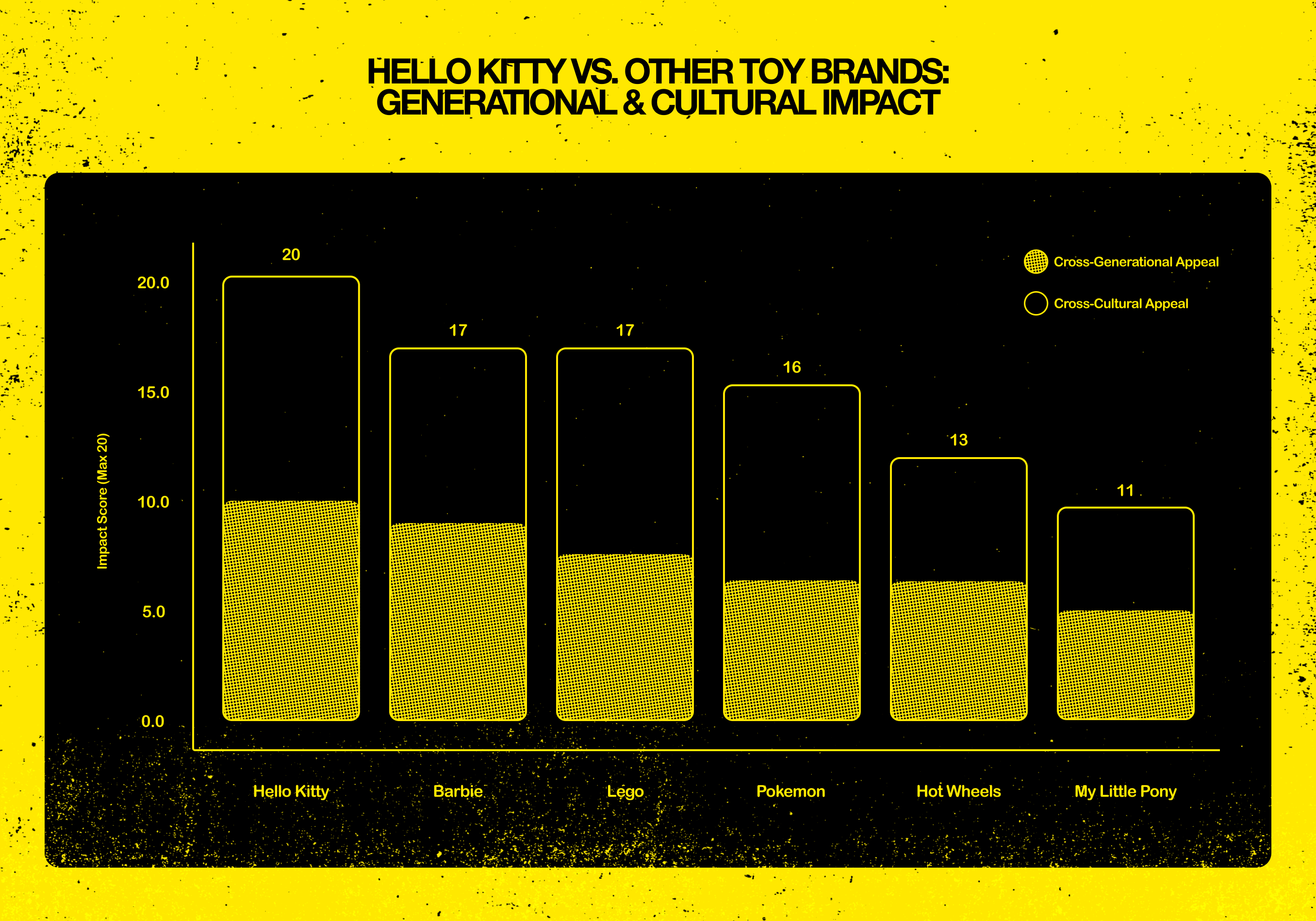
When we talk about brand love that transcends both cultural boundaries and generational divides, Hello Kitty is a masterclass. She's not just a character. She's a vessel of meaning, a mirror of identity, and, perhaps most surprisingly, a global ambassador of emotional connection. Created in Japan in 1974, Hello Kitty was designed without a mouth so that people could project their own emotions onto her. That small design decision became a big idea: a brand that invites participation instead of prescribing emotion.
Unlike many pop culture icons that are defined by narrative arcs or fixed personalities, Hello Kitty is almost ambient: flexible enough to be everything from a child's first lunchbox to a limited-edition Balenciaga purse. She isn't anchored to a specific culture, yet she reflects and absorbs the aesthetics and values of the cultures she enters. In Japan, she's kawaii (cute) and comforting; in the West, she's kitsch, nostalgic, even rebellious. The concept itself, kawaii, transcends language and cultural barriers. It's far more nuanced than the Western understanding of "cute," conveying a lovable essence and a poignant reminder of lost human connection.
Being a chameleon sets you up to be able to adapt with the cultural shifts authentically.
Looking for love in all the wrong places: Burton
Some brands create entirely new categories, pushing against the grain of what others have loved. While some accounts posit that skiers enjoyed their “two-plank” winter sport since 8,000 BCE, come 1977, Jake Carpenter Burton felt ski culture needed a shake up. What initially began as a backyard activity, banned on mountains around the world, grew into a brand, a counterculture movement, and in 1998, a globally recognized Olympic sport.
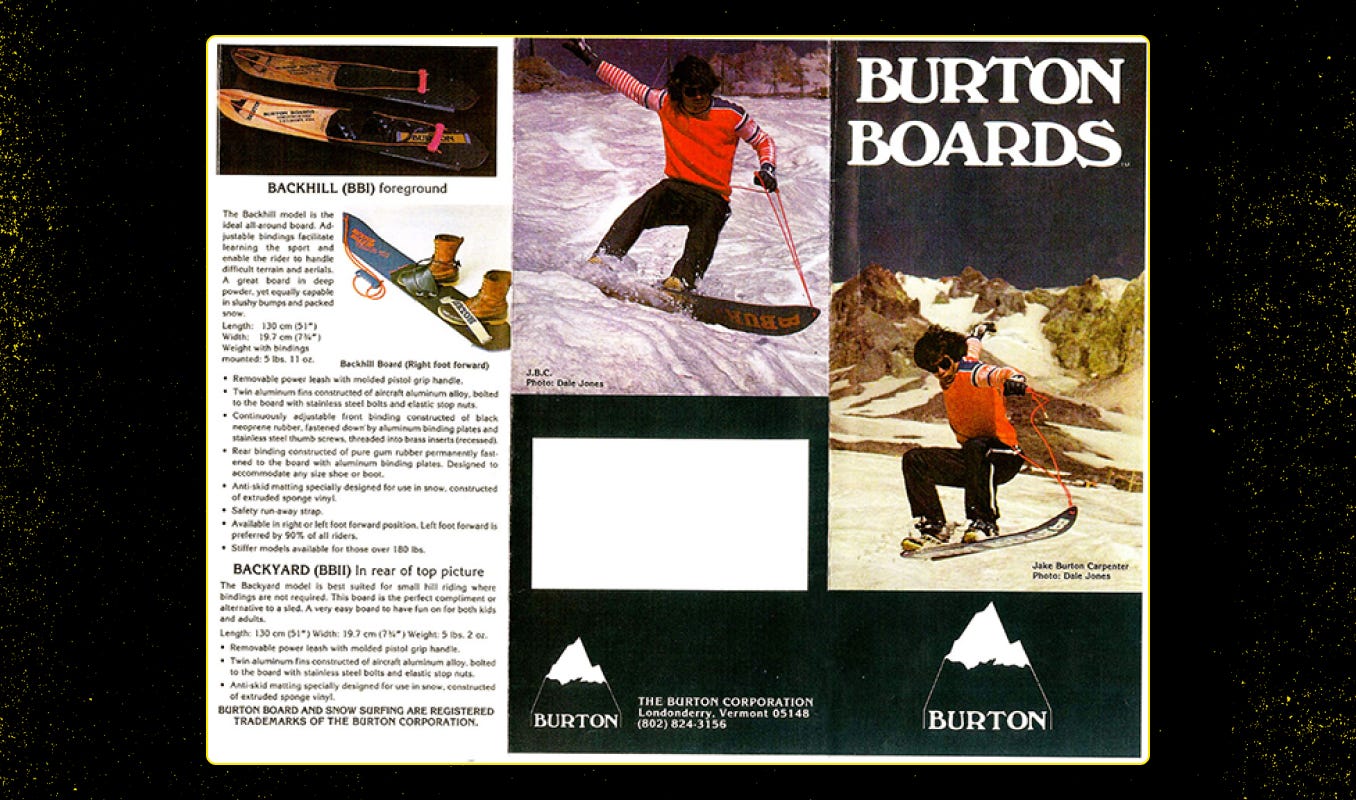
Looking back at its history, Burton Snowboards embodied the very idea of counterculture from day one. Rising at the same time as its summer equivalent, skateboarding, Burton embraced a more optimistic, softspoken mentality. The laidback experience known as “snurfing” felt more akin to beach culture. Still, resorts denied snowboarders the chance to ride their mountains for decades (some remain ski-only even today) claiming the sport ineligible, largely for its more hooligan-orientation.
Despite its early hurdles, or perhaps in part because of them, Burton grew into an international sensation supported by a vibrant community of like-minded “one plankers” eager to embrace the anti-authority mentality. The company pushed for acceptance, built a community, advanced their products, and chased their vision. Today, they continue to advance their values, advocating for people, the planet, and the sport they brought to the world stage.
How to build brand love: a blueprint for affection
Understanding the profound impact and intricate nature of brand love naturally leads to the real question here: how do we actually build this coveted connection from the ground up, especially in a world so saturated with choices and messages? While there's no single magic formula or guaranteed shortcut to capturing hearts, the journey to inspiring genuine brand love is far from an accidental stumble in the dark. It's a deliberate, strategic, and deeply human endeavor that begins long before your first marketing campaign.
Building brand love demands more than just clever slogans or aesthetically pleasing visuals; it requires a foundational commitment to authenticity, a profound empathy for your intended audience, and the courage to build your brand around a meaningful purpose that resonates beyond the transactional. This isn't about manufacturing emotion, but about genuinely earning affection through consistent value, compelling and congruent storytelling, and a demonstrable commitment to shared ideals. It's about architecting experiences and narratives that invite people to see a reflection of their best selves, or their deepest aspirations, in your brand.
Below are key pillars—foundational guidelines—to help you lay the strategic groundwork for cultivating true brand love, aiming to transform passive consumers into passionate, loyal advocates.
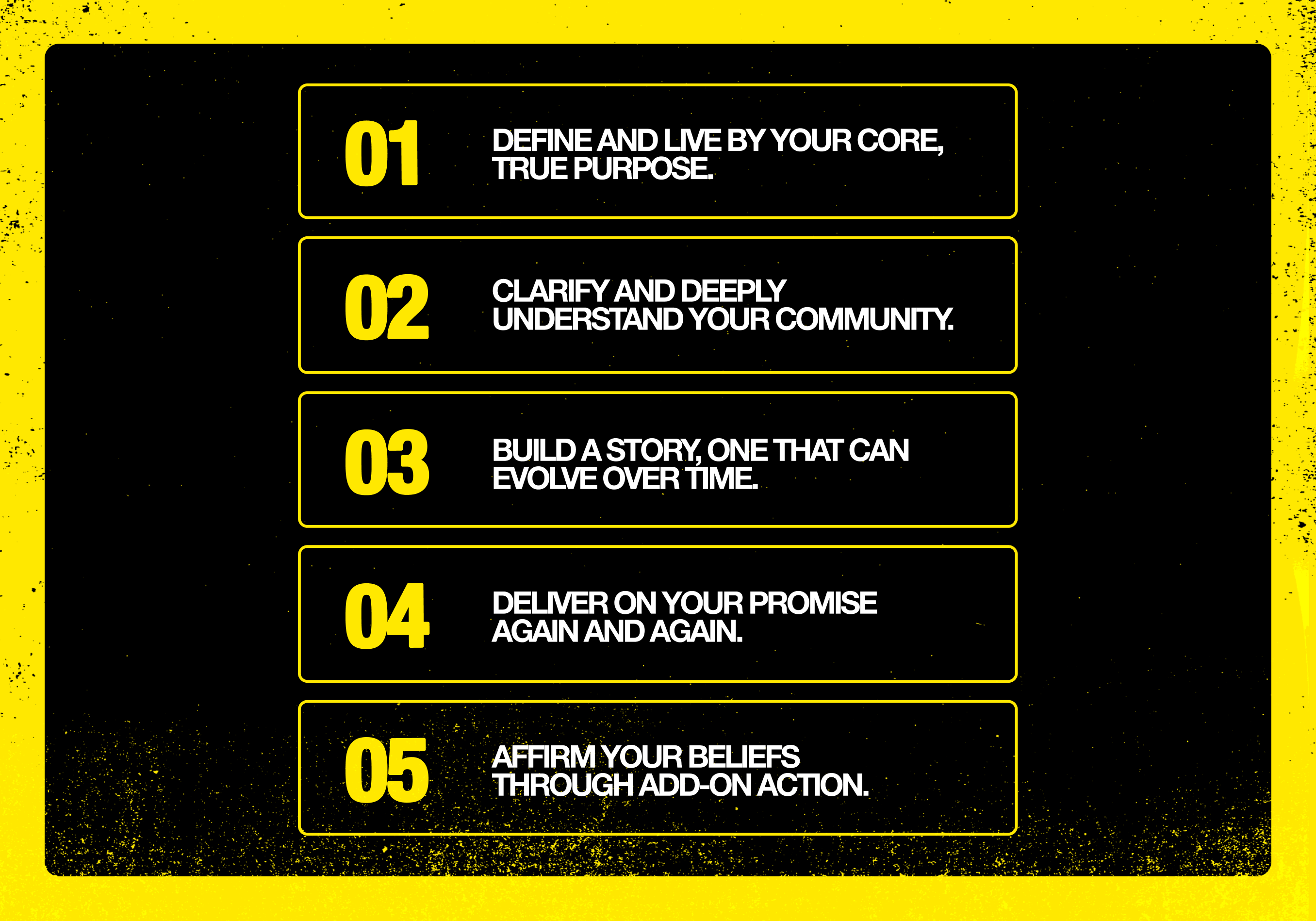
1. Define and live by your Core, true purpose
Overview: Before you can be loved, you must know who you are and what you truly stand for, beyond profit. Uncover your brand's fundamental reason for being, its unwavering values, and its unique personality.
Action: Self-reflect. Conduct the internal work to articulate your mission, vision, and values. Ensure this core identity is genuine and can be consistently upheld. Authenticity is the bedrock; you need to own it. If your purpose feels manufactured, any attempts at building love will crumble.
2. Clarify and deeply understand your community
Overview: Brand Love isn't about being everything to everyone; it's about being everything to a specific group of people who are predisposed to connect with your core.
Action: Go beyond demographics. Develop rich psychographic profiles of your ideal audience. What are their deepest needs, desires, fears, aspirations, and cultural touchstones? What problems can you uniquely solve for them, not just functionally but emotionally? Here it's not just what you do, but how.
3. Build a story, one that can evolve over time
Overview: Humans are wired for stories. Weave your purpose, values, and understanding of your audience into a compelling and consistent brand narrative. Consider which plotlines naturally align with your brand's essence to create deeper, more intuitive connections.
Action: Develop your core brand story and ensure it's expressed consistently across all touchpoints, from your website copy and social media to your product experience and customer service. This narrative should be an invitation to belong and partake.
4. Deliver on your promise again and again
Overview: Love often blossoms from experiences that consistently exceed expectations. A brand is nothing without consistency. Matching promise with delivery will build up the reliability necessary to maintain trust, which sets the foundation for any relationship.
Action: Identify how your brand can deliver remarkable value in a way that competitors can't easily replicate, but that you can on repeat. Corner that behavior and become synonymous with the experience. Give your audience something to know you by, and aim to make each interaction memorable.
5. Affirm your beliefs through add-on action
Overview: It's not enough to talk about what matters to you, or stop at a strong solution. Brand building has to carry through to a deeper experience, one that gives audiences more ways to enter and build upon the narrative.
Action: Go the extra mile. Launch an event, give back, create a viral conversation. Whatever you choose to do, make sure it's tethered to your core: something no one else could do, and don't do it just once. Build the habits and additional on-ramps that foster community interaction and establish your brand as an intentional leader.
These steps are key, but they take both effort and time. Brand love is one of those things everyone wants tomorrow, but the truth of the matter is that building brand love is a marathon, not a sprint. It requires patience, empathy, and an unwavering commitment to these foundational principles. But the rewards—a deeply loyal customer base, resilient market positioning, and a brand that truly means something to people—are immeasurable.
Nurturing brand love: the long haul
So you've captured their hearts. The spark has ignited, and consumers are looking at your brand with genuine affection, perhaps even devotion. This is a monumental achievement, the kind that many brands only dream of, a testament to your ability to resonate on a deeply human level. But here's the pivotal truth often overlooked in the flush of initial success: brand love isn't a trophy to be polished and placed on a shelf, admired as a relic of a past victory. Instead, it's a living, breathing relationship, dynamic and demanding, that requires continuous, thoughtful cultivation to thrive.
Like any profound connection, this emotional equity will inevitably wither without consistent care, attentive listening, and a willingness to evolve alongside those who bestow it. It's an ongoing commitment, an art form even, requiring far more than passive maintenance or simply avoiding offense. It calls for a proactive, almost intuitive nurturing that consistently deepens the bond and reaffirms the consumer's initial emotional investment. Forget the idea of a one-time conquest where the story ends; we are now in the realm of sustained courtship, a continuous dance where the brand's initial promise must be artfully renewed, enriched, and proven relevant, day after day. This is the critical phase where brands graduate from being merely liked or preferred to becoming truly indispensable, woven into the very fabric of their customers' lives and identities. Let's explore the essential practices that keep this precious affection not just alive, but vibrantly flourishing for the long haul.
You avoid brand fluff.
You tie emotional resonance to business results.
You build not just a custom
Framework: translating lifetime value (LTV) to love
Want to put brand love into action? Here is a 5-part feedback loop designed to help you turn transactional loyalty into genuine brand love.
1. Segment by LTV
Break your customer base into three core groups:
🔥 High LTV — Brand Lovers
⚖️ Mid LTV — Brand Curious
🧊 Low LTV — One-and-Done
Use historical data or predictive modeling to identify these segments.
2. Diagnose behavior drivers
For each segment, ask: What drives their actions?
What do they value? What makes them return or drop off? These insights reveal what creates stickiness and what doesn’t.
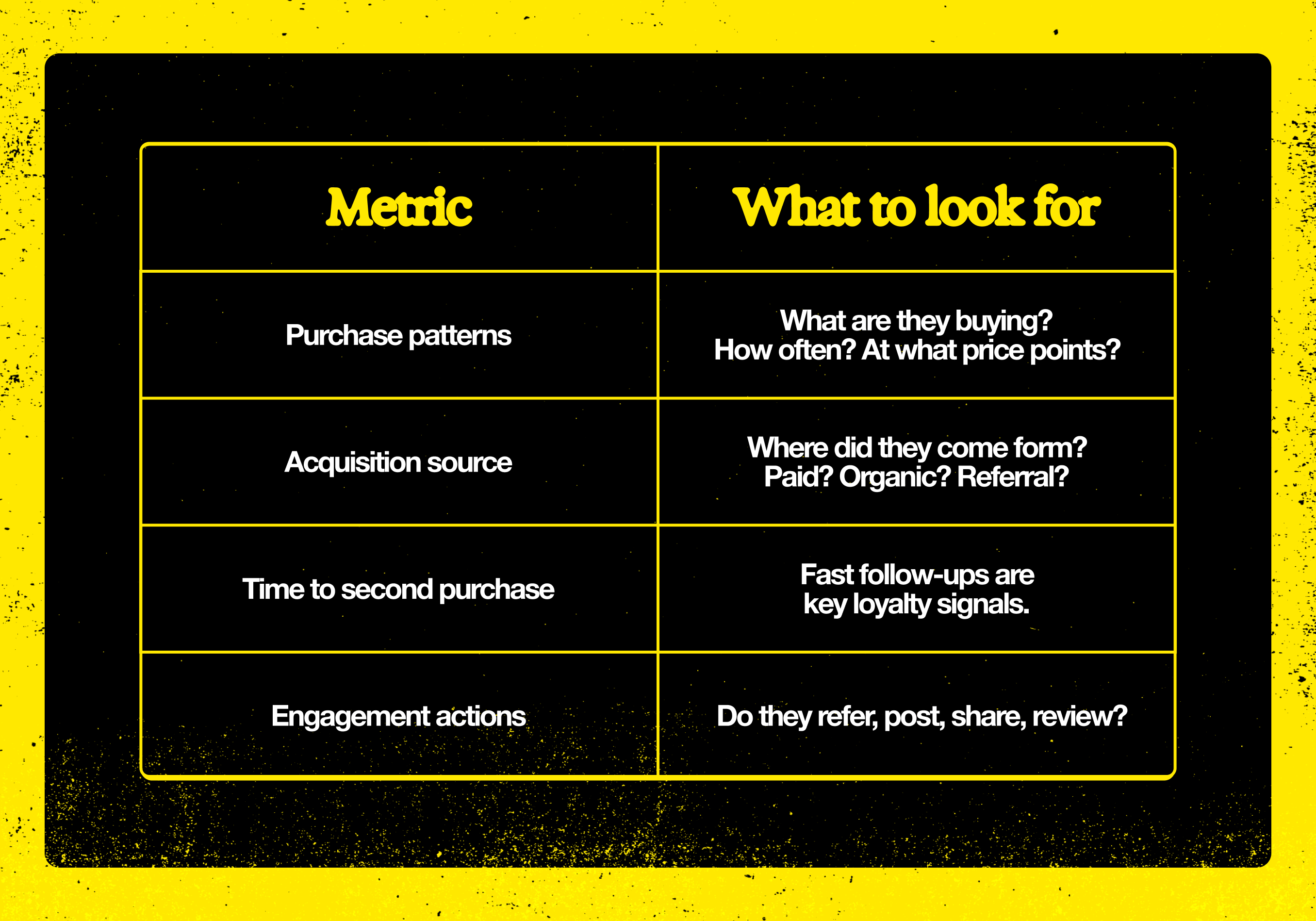
3. Layer on psychographics and feedback
Use surveys, reviews, NPS, interviews, and community input to uncover the emotional layer behind their behavior.
Look for:
Language: “Can’t live without,” “always recommend,” “obsessed with”
Identity: Do they see your brand as part of who they are?
Emotion: Are they driven by trust, excitement, or a sense of belonging?
At this point, you understand both what they do and how they feel.
4. Build tailored brand strategies
Once you know your segments, build brand strategies that speak directly to their emotional and behavioral needs. One-size-fits-all marketing won’t work here.
Start by identifying what motivates each group:
Brand Lovers want connection and recognition. Focus on community and brand rituals.
Brand Curious need more credibility or relevance. Reduce friction and showcase your value.
One-and-Done customers might feel disconnected. Try reintroducing the brand with a fresh hook or decide if they’re worth pursuing.
Now create distinct strategy pillars for each group. This could include:
A storytelling platform that deepens emotional ties with your most loyal fans
A utility-driven campaign that builds trust with the hesitant
A re-engagement play that surprises and delights the disengaged
The goal is not to force everyone into the same funnel. It’s to meet each group where they are and offer something that resonates. Relevance builds connection. Connection builds trust. Trust builds love.
5. Track brand impact on LTV over time
This is where you close the loop. Ask yourself:
Did a rebrand lead to better retention or more referrals?
Did new messaging convert Brand Curious users into loyal ones?
Are Brand Lovers referring more after a recent campaign?
LTV is your scoreboard. Use it to measure the true impact of your brand strategy.
TL;DR: LTV to Brand Love → Insight → Identity → Strategy → Impact
Metrics matter, but trust is what holds everything together. It’s built through clear values, consistent delivery, and shared moments.
Brand love isn’t built overnight. It’s earned with care and reinforced over time.
Final thoughts
Wrapping it up here, we're big believers that all brands can be loved if they have product-market fit, know what's lovable about them, and build for the customer not the competition. Here are a few core principles that we unpacked:
Brand love is deeply emotional & earned: Fostered by a consistent narrative and authentically shared values, brand love is built on a meaningful "why" that transcends transaction to become an extension of a consumer's identity. It cannot be bought; it must be earned.
Product excellence is foundational: True brand love starts with product love. The brand's role is to amplify the inherent value and experience the product already delivers. Without a strong product, brand efforts lack a solid base.
Community is key, not just an add-on: Loved brands often are communities. They foster a sense of belonging, shared identity, and active participation, turning consumers into fans who carry the brand's story forward.
Brave leadership ignites belief: Passionate, values-driven leadership is crucial. A clear vision, courage in decision-making, and unwavering consistency from the top create the internal culture where brand love can take root and flourish.
A strategic blueprint guides the way: Building brand love is a deliberate process involving:
Defining and living an authentic core purpose.
Deeply understanding your specific community's needs and aspirations.
Weaving a compelling, consistent, and evolving brand story.
Reliably delivering on promises, exceeding expectations.
Affirming beliefs through meaningful actions that foster interaction and leadership.
Nurturing is an ongoing commitment: Brand love is a living relationship. It requires continuous care, attentive listening, and a willingness to evolve alongside your audience to maintain its strength and relevance.
Deep-dive further with more reads
Books:
Let My People Go Surfing by Yvon Chouinard
Lovemarks: Future Beyond Brands by Kevin Roberts
The Brand Gap by Marty Neumeier
Articles:
"The truth about brand strategy. And why your company needs one", Koto OFF Brand Newsletter
"Why brand consistency can make or break your brand", Koto OFF Brand Newsletter
"Brand differentiation: stand out or fade away”, Koto OFF Brand Newsletter
"Feel How Blink-182 Built a Cult Brand—and Why Your Company Should Too" by Frank Kalman
"Of Fandom, Kawaii, and Marketing: Hello Kitty Turns 50", Campaign Asia
Let us know what you think
Brand love is a big idea, and we’ve only scratched the surface. We'd love to hear your perspective.
What’s a brand you would go to the ends of the earth for, and why?
What part of this resonated most with your own work?
Where do you think we pushed too far, or not far enough?
We’re building this for people who care about brand as much as we do. So hit reply and tell us what you’re seeing, feeling, or building. We’re listening.
See you in a few weeks for the next edition of OFF Brand. Let’s hope it’s lovable.
This is Gold 🤌
Great insights, as always ✨